Soft tissue injuries: What to expect during recovery

Posted: October 14, 2026
Soft tissue injuries are among the most common musculoskeletal conditions seen in primary care, sports medicine and physical therapy.
Examples of soft tissue injuries include plantar fasciitis, tennis elbow and patellar and gluteal tendinopathy. They’re a common cause of pain, reduced activity and time away from work, sports and exercise.
While soft tissue injuries can affect different areas of the body and cause different symptoms, they share one thing: recovery often takes longer than people expect.
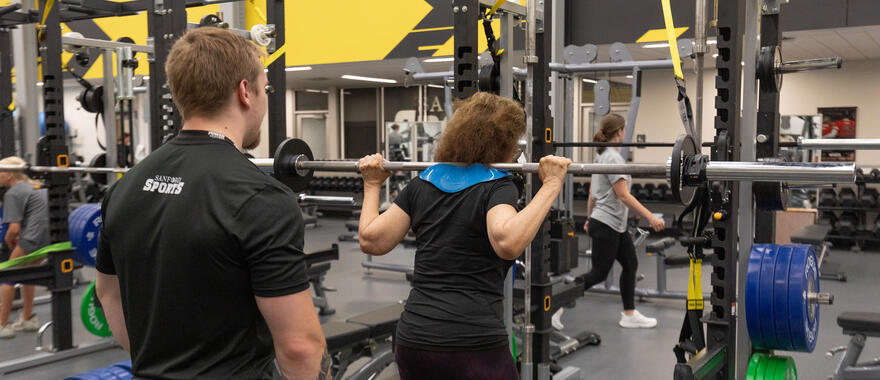
Physical therapy experts at Sanford Sports want to help with recovery and stress that rest isn’t always the answer with these injuries.
What is a soft tissue injury?
A soft tissue injury affects the muscles, tendons and ligaments. Injuries can occur suddenly during physical activity or trauma from an accident, or they can develop gradually from repetitive stress and overuse.
Soft tissue injuries include:
- Sprains: Stretching or tearing of ligaments
- Strains: Stretching or tearing of muscles or tendons
- Contusions: Bruises caused by a direct blow that results in bleeding beneath the skin
- Tendinopathy: Tendon pain often caused by repetitive loading or overuse
- Bursitis: Inflammation of the fluid-filled sac that provides cushioning around joints, muscles and tendons
After a soft tissue injury, your body works hard to repair the affected area. Early stages of recovery may include:
- Mild warmth
- Pain
- Redness
- Swelling
Recovery is measured in months, not weeks
The first few days of recovery are often the most painful and limiting for movement. During this time, it’s important to listen to your body and modify your lifestyle and activities, as needed. Walking aids, like a walking boot or crutches, can be useful for moving around or for extra support.
However, too much rest can slow down your recovery. As your symptoms improve, it’s recommended that you slowly introduce movement and begin using the affected area to help the healing process.
Many people notice improvement within 6 to 12 weeks, but meaningful recovery often takes 3 to 6 months. Continued improvement can occur for an additional 6 to 12 months, or longer, depending on the injury and its severity.
Movement is medicine
Some discomfort during recovery is normal. You do not always need to be completely pain-free to move safely. The goal is to stay active within tolerable limits and gradually increase activity over time. Focus on modifying activities that increase pain or cause symptoms to flare up.
Small amounts of activity are better than no activity. Aim to increase activity levels each day or every few days.
Research shows that progressive strengthening and appropriate load management are among the most effective treatments for many soft tissue injuries.
Passive treatments aren't a quick fix
Treatments such as injections, braces and other passive interventions may help reduce pain in the short term. However, they typically do not produce better long-term results than a well-designed exercise program.
While these treatments may play a role, they are often most effective when combined with an active rehabilitation plan. Your physical therapist will work with you to create an individualized exercise plan designed to help you restore function.
Stay consistent during recovery
Soft tissue injuries are rarely quick fixes. Recovery is a gradual process of rebuilding strength, function and tissue capacity. Set realistic expectations and stay committed and consistent with your rehabilitation plan to help with long-term success.
Inconsistent exercise, ongoing overload and longstanding symptoms can contribute to longer recovery.
A physical therapist can help guide the recovery process by identifying contributing factors, developing an individualized loading program, progressing exercise appropriately, modifying activities to keep you moving and helping you return safely to the activities that matter most.