Where Does Confidence Come From

Posted: October 16, 2026
Confidence. It’s the feeling that guides you through your free-throw in a tournament. The feeling that keeps you standing tall while playing goalkeeper. The feeling that brings a steady landing during your floor routine.
Self-confidence in sports is the belief that you can successfully perform a specific task. It’s built through preparation, experience and mental habits, rather than simply hoping to feel ready.
Chris Gudjenov, Sanford Sports mental performance coach, shares tips for athletes to help build confidence, so they’re not just physically ready, but also mentally and emotionally ready to perform in the sport they love.
Four ways to build confidence
For some athletes, self-confidence comes naturally, but for others, it’s something they must work at and develop over time. Confidence is seen as a key component to performing well. Letting feelings of self-doubt in may start to affect your performance.
Athletic confidence isn’t just a personality trait you’re born with; it’s a trainable skill built through four main sources.
Preparation and practice
The more you hone your skills, the more confident you’ll feel stepping onto the field or court.
Putting in the hours and effort builds a solid foundation and provides proof that you can perform when it matters most.
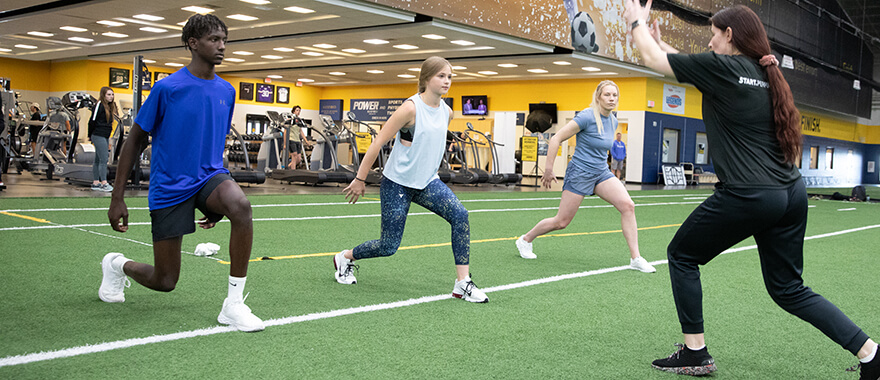
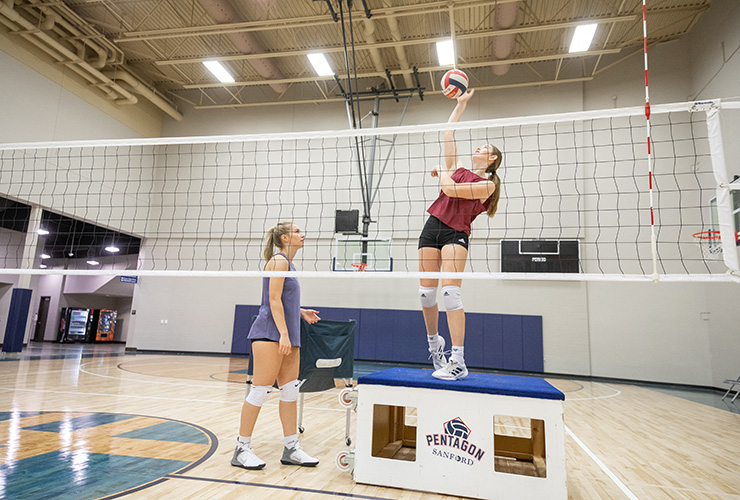
Push yourself during practice so that you can trust your abilities during the game. You don’t have to be perfect in practice. You just have to do it enough to know it’s possible.
Previous success
Reflect on moments when you overcame challenges or achieved a personal best to remind yourself of your capabilities.
“If you’ve done it before, you can do it again,” Gudjenov said. “Consider what obstacles you overcame and who helped you along the way.”
Reviewing these moments before competition can help put you in a positive mindset and boost your confidence.
Positive feedback
People often feel better about their performance when coaches, teammates, family and fans notice their successes and spread encouragement. Similarly, the conversations you have with yourself matter. Replace words of self-doubt with affirmations and remind yourself of your strengths and successes.
Words of encouragement reinforce desired behaviors and remind athletes of the effort and skills they’ve developed.
Overcoming challenges
Challenges should be viewed as opportunities for growth. Athletes often grow the most when they embrace difficult situations rather than avoid them.
Working through difficulties helps build lasting confidence and reminds us that we are capable problem-solvers, not just problem identifiers.
“Your scars are evidence of effort and growth,” Gudjenov said. “We become stronger because of what we can overcome.”
Exercises to build confidence
Part of building confidence requires training your mindset and mental habits.
Start a 1-2-3 success journal
A daily reflection can help train your brain to notice progress and growth, instead of focusing only on mistakes.
Each day, write down:
- 1 challenge that you overcame
- 2 wins you experienced
- 3 things or people you are grateful for and why
Each entry serves as a powerful reminder of what you’ve accomplished.
Document facts with an evidence list
When negative emotions and feelings of self-doubt creep in, focus on facts instead.
“Evidence is more accurate than emotions,” Gudjenov said. “If we fill our mind with positive evidence, we will feel more confident.”
Consider your practice habits, skill development, previous successes, time invested and feedback from others that validate your work and demonstrate your preparedness.
Make a list before competition that answers the question, “What evidence do I have that I am prepared and ready for this?” For example:
- I trained six days this week.
- My coach told me I have improved drastically.
- I hit my macro and hydration goals each day this week.
- I watched 10 hours of film this week.
- I stayed after and practiced 45 minutes extra twice this week.
“Focusing on evidence over emotions helps us identify specific behaviors we can rely on during competition,” said Gudjenov. “‘What if I fail?’ turns into, ‘I will succeed because I did this.’”